Israel and the United States have withdrawn from ceasefire negotiations in Doha, Qatar, accusing Hamas of failing to show commitment to ending the war in Gaza. The exit marks a major setback in diplomatic efforts as Gaza’s humanitarian crisis continues to deteriorate. In a statement issued Thursday, U.S. special envoy Steve Witkoff said Hamas’s latest response to mediation efforts “clearly shows a lack of desire to reach a ceasefire in Gaza.” He added, “We have decided to bring our team home from Doha for consultations.”
The Israeli delegation also departed the talks but has not given an official reason. A senior Israeli official, quoted anonymously in Israeli media, said the talks had not collapsed but faced persistent deadlock. “We reached the stage where we actually need to return,” the official said. “We will return when the right conditions are in place to reduce the gaps and move toward a conclusion.”
Hamas responded early Friday by stating it remained open to continued negotiations. In its statement, the group expressed a “willingness to engage in dialogue to overcome obstacles and reach a permanent ceasefire.”
The ceasefire talks, which have stretched over two weeks, were being mediated by Qatar and Egypt. However, all parties acknowledge that major disagreements remain unresolved, particularly around the release of Israeli hostages and the withdrawal of Israeli forces.
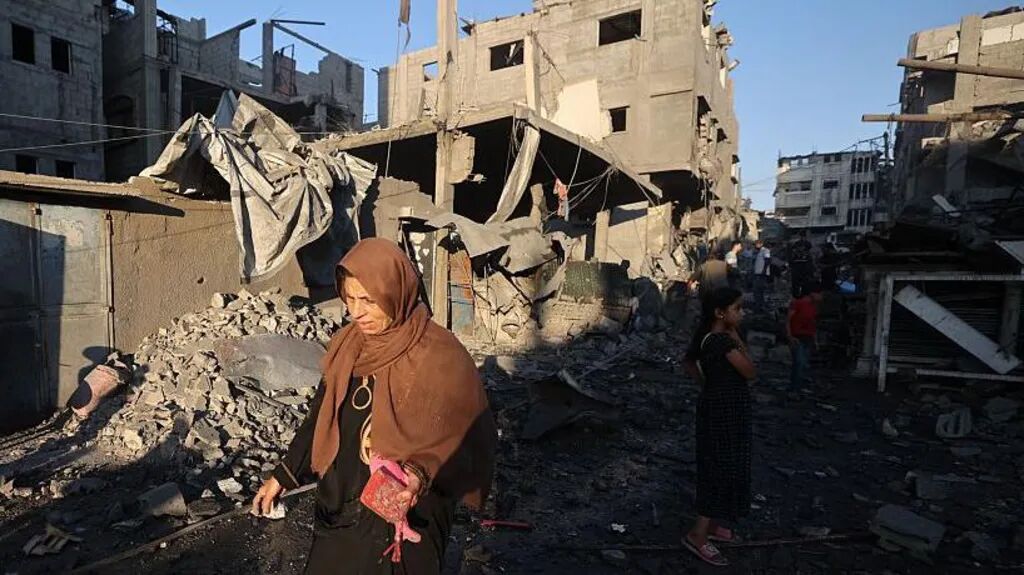
The latest breakdown comes as Gaza faces a worsening humanitarian crisis. On Thursday, the United Nations Relief and Works Agency (UNRWA) reported that one in five children in Gaza City is now malnourished, with cases climbing daily. The agency described most children seen by its teams as “emaciated, weak, and at high risk of dying without urgent care.”
More than 100 humanitarian and rights organizations have issued warnings of a looming famine. The World Health Organization also declared that a large share of Gaza’s population is “starving.”
The UN human rights office has documented over 1,000 Palestinian deaths in the past two months linked to food aid efforts. It reports that at least 766 people died near the Gaza Humanitarian Foundation (GHF) distribution centers, while another 288 were killed close to UN or third-party aid convoys. The GHF operates within Israeli-controlled military zones and is staffed by U.S.-based contractors.
Israel maintains that there is no blockade on aid entering Gaza. Officials have accused Hamas of deliberately disrupting distribution and denied targeting civilians. Israeli authorities say troops only fire warning shots near chaotic aid scenes.
Despite those claims, aid deliveries to Gaza were halted in early March following the collapse of a previous ceasefire. Although Israel eased restrictions weeks later, shortages of food, fuel, and medicine have worsened. UN agencies continue to struggle with securing passage for supplies through military-controlled areas.
The war began on October 7, 2023, after Hamas fighters attacked southern Israel, killing about 1,200 people and taking 251 hostages. Israel’s military campaign in response has killed at least 59,106 people in Gaza, according to the Hamas-run health ministry.
With the U.S. and Israeli delegations now out of the negotiation room, the path to a ceasefire appears more uncertain than ever while the humanitarian cost in Gaza rises by the hour.
About the Author