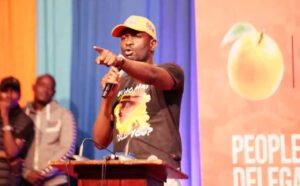
Patrick Osoi once wore the uniform of the Kenya Defence Forces and later served with the U.S. Army. Now, he’s in a courtroom in Nairobi, facing accusations of trying to start a movement that authorities say could stir unrest.
The former soldier was arraigned on Wednesday at the Kahawa Law Courts after being arrested for forming a group aimed at challenging police brutality in Kenya. The group, called Fighting Brutality and Impunity or FBI was launched alongside two other men, both current or former police officers.
According to court documents filed by the Directorate of Criminal Investigations (DCI), the group was allegedly planning to recruit officers past and present who would resist what they described as “illegal orders” from their superiors.
But it was a viral social media post that really brought Osoi into the spotlight.
In a message shared on X (formerly Twitter), Osoi introduced the movement and called for action. It struck a chord online, attracting over 260,000 views, nearly 4,000 likes, 900 reposts, and hundreds of comments from supporters and critics alike.
Authorities, however, saw the post as dangerous.
“This viral spread increases the risk of rapid escalation, of unrest, public disorder and coordination of violent acts while investigations are ongoing,” the DCI said in court.
Following his arrest, Osoi reportedly led investigators to several unoccupied apartments around Nairobi, believed to be AirBnBs. The DCI believes these may have been safe houses, though no firm evidence has yet been made public.
Investigators claim Osoi refused to reveal his main place of residence raising suspicions that it might contain weapons or other evidence. The DCI is now seeking permission to search the premises, saying they suspect he may be in possession of firearms and ammunition.
The charges he could face are serious: preparing to commit a felony, illegal possession of a firearm and ammunition, and offences related to terrorism recruitment and facilitation. Prosecutors have asked to hold him at Muthaiga Police Station for at least 14 days as investigations continue.
In a surprising twist, Osoi has also expressed his intention to run for Kenya’s presidency in 2027 through the FBI movement. He further claims to have worked with the National Intelligence Service (NIS) though those claims haven’t been officially confirmed.
“The offence under investigation is serious in nature and carries a severe penalty,” the court filing reads. “This is not about punishing Mr Osoi it’s about giving investigators the time they need to follow every lead.”
The case raises difficult questions about the line between protest and provocation, between activism and offence. Was Osoi trying to raise awareness or build a resistance? As the investigation unfolds, the nation will be watching closely.
.
About the Author