
LONDON — Eight children have been born in the United Kingdom using DNA from three individuals, the first confirmed cases showing success in preventing incurable mitochondrial diseases through a pioneering fertility technique.
The method known as mitochondrial donation treatment (MDT) uses genetic material from two women and one man. The approach combines the egg and sperm from the biological parents with a donor’s healthy mitochondria to eliminate the risk of mitochondrial disorders, which are passed from mother to child and can be fatal.
The births were confirmed by the Newcastle Fertility Centre, where all procedures took place. Though the families have chosen to remain anonymous, they released statements celebrating the outcomes.
“After years of uncertainty this treatment gave us hope and then it gave us our baby,” said the mother of one girl. “We look at them now, full of life and possibility, and we’re overwhelmed with gratitude.”
The mother of a baby boy added: “Thanks to this incredible advancement and the support we received, our little family is complete.”
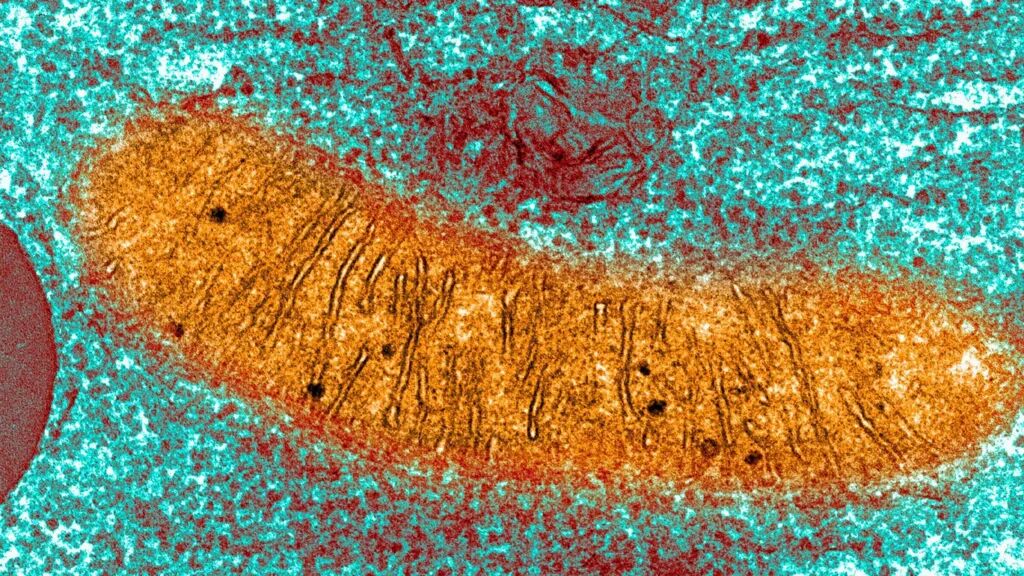
Mitochondrial diseases affect around 1 in 5,000 births. They disrupt the body’s ability to convert food into energy, leading to serious complications including organ failure, muscle weakness, brain damage, and even death in infancy. The condition is inherited exclusively from the mother.
In this treatment, the nucleus from the mother’s egg is transferred into a donor egg that has healthy mitochondria and has had its nucleus removed. This egg is then fertilized with the father’s sperm. The result is a child with DNA from both parents and a small amount about 0.1% from the donor.
Data published in the New England Journal of Medicine confirm that 22 families have undergone the process so far, resulting in eight births four boys, four girls, including one pair of twins and one ongoing pregnancy.
All eight children were born without signs of mitochondrial disease. One child developed epilepsy, which resolved without treatment, and another has a minor heart rhythm issue that is being successfully managed. Neither condition has been linked to the donated mitochondria.
Professor Bobby McFarland, a lead expert on mitochondrial disorders, confirmed the children are “thriving and developing normally,” describing the results as a breakthrough for affected families.
In five of the eight cases, no trace of defective mitochondria was found. In the remaining three, low levels of abnormal mitochondria were detected between 5% and 20% well below the 80% threshold believed to trigger disease. Further study is needed to understand why these levels persist and how to prevent them.
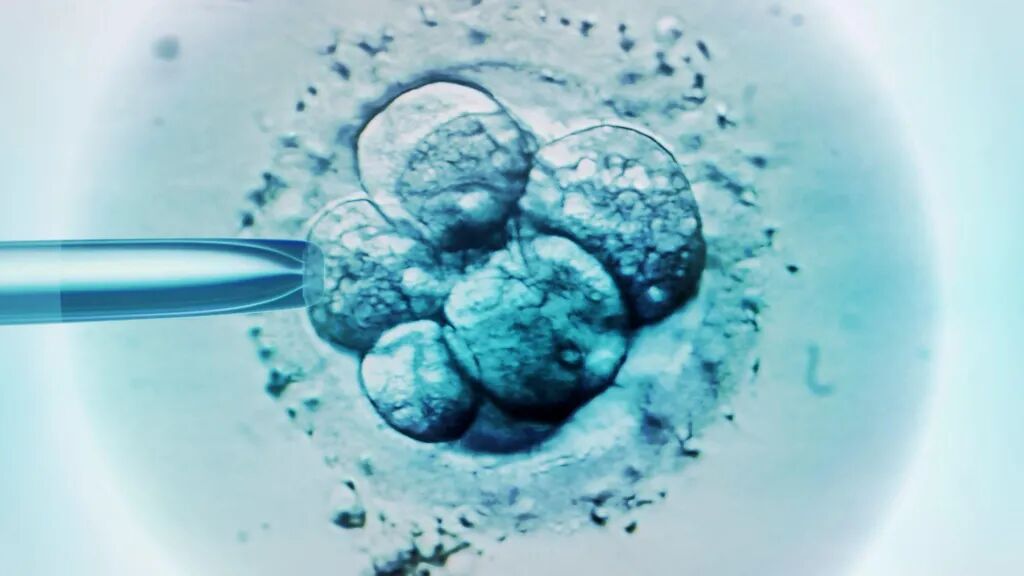
The technique was first developed over a decade ago at Newcastle University and implemented through NHS services beginning in 2017. It was made legal in the UK following a parliamentary vote in 2015, making Britain the first country to authorize mitochondrial donation.
Though the procedure introduces a permanent change to human DNA because female offspring will pass donor mitochondria to their children researchers and lawmakers have emphasized that this intervention is strictly for medical purposes. Children conceived this way inherit less than one-thousandth of their DNA from the donor.
For families like the Kittos, the breakthrough is personal. Kat Kitto’s daughter Poppy, 14, has severe mitochondrial disease and requires a wheelchair, feeding tube, and round-the-clock care. Her older daughter Lily, 16, fears passing the condition to future generations. Now, she sees hope.
“It’s the future generations like myself, or my children, or my cousins, who can have that outlook of a normal life,” Lily said.
Liz Curtis, founder of the Lily Foundation which supports mitochondrial disease research, praised the achievement. “After years of waiting, we now know that eight babies have been born using this technique, all showing no signs of mito. For many affected families, it’s the first real hope of breaking the cycle of this inherited condition.”
Professor Sir Doug Turnbull, one of the scientists who pioneered the technique, called the result a triumph of science, law, and public health. “There’s been world-class research, legal support, and NHS care now we have children born free of mitochondrial disease. It’s a wonderful result.”
About the Author