Nairobi — Safaricom has distanced itself from the arrest and death of Albert Omondi Ojwang, a popular social media activist who died in police custody last week. The company says it had no contact with police over Ojwang’s case and only learned of his arrest through the news.
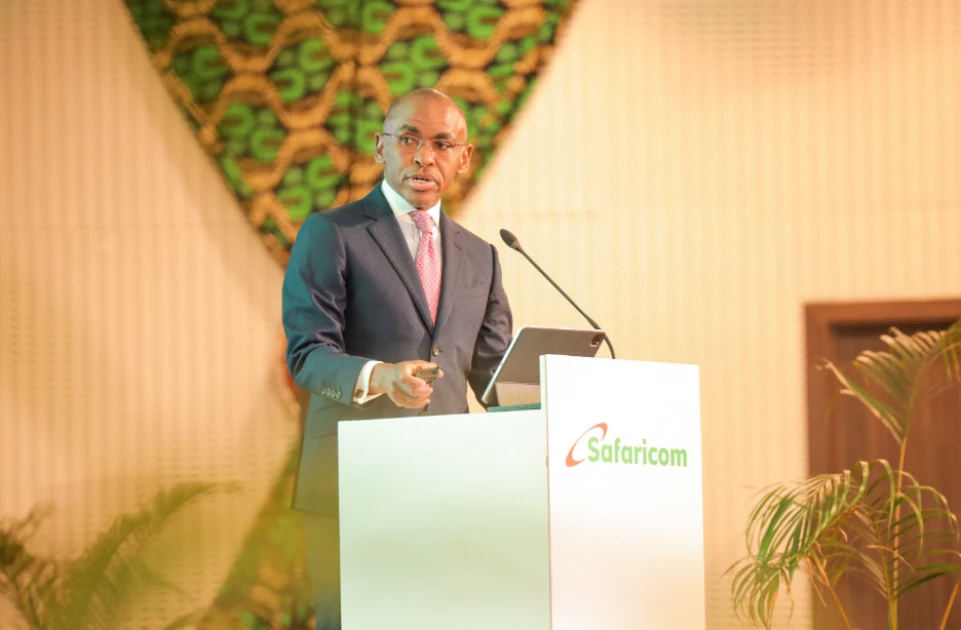
“We wish to express our deepest condolences to the family and friends of the late Albert,” said Safaricom CEO Peter Ndegwa in a statement on Tuesday. “At no point was there any contact between Safaricom and any security agency in investigating or arresting the late Albert.”
The response follows sharp public criticism after former Attorney General Justin Muturi appeared to suggest that Safaricom might have shared private data with authorities prior to Ojwang’s arrest. The company called the remarks “disturbing” and “misleading.”
Ojwang, 31, was arrested under unclear circumstances and died days later while in police custody. Police had initially claimed it was suicide. However, a postmortem report concluded he had suffered blunt force trauma, contradicting the official story and pointing to possible foul play.
Rights groups, opposition politicians, and concerned citizens have since demanded justice. The case has revived long-standing fears over extrajudicial killings in Kenya and the misuse of surveillance tools by the state.
Safaricom, Kenya’s largest telecoms operator, often receives lawful requests from authorities seeking mobile data in criminal probes. But the company insists that any data shared follows strict legal procedures.
“We are very clear about our legal obligations,” Ndegwa said. “We do not release any customer data without a valid court order or legal request.”
He also urged political leaders to avoid inflaming tensions.
“We are concerned and disturbed by the remarks by Justin Muturi linking us to this unfortunate incident,” said Ndegwa. “We urge all leaders to advocate for a credible, transparent, and timely investigation into Albert’s death.”
Calls for accountability continue to grow. The Kenya Human Rights Commission and Amnesty International Kenya have both condemned the incident, calling it a “grave violation of human rights.”
On social media, #JusticeForAlbert has trended for days, as citizens demand answers from the police and the Interior Ministry.
Safaricom ended its statement by assuring customers that their data remains protected.
“We want our customers to know that we take their privacy seriously,” said Ndegwa. “We have always been careful and secure in how we handle their data, and that has not changed.”
About the Author