

UK Urges De-escalation After U.S. Airstrikes Hit Iran Nuclear Sites
LONDON — Prime Minister Keir Starmer has warned of a “real risk of escalation” after U.S. warplanes struck three nuclear facilities in Iran overnight, sparking global alarm and a scramble for diplomatic talks.
The targeted locations Natanz, Isfahan, and Fordo are central to Iran’s nuclear program. The United States confirmed it launched strikes Saturday night, aiming to dismantle what it called a growing threat.
Keir Starmer, speaking Sunday morning, confirmed the UK was not involved in the military action but was informed in advance by the United States. “I want to reassure the British public that we’re doing everything we can to stabilize the situation and prevent further escalation,” he said.
The Prime Minister will chair an emergency Cobra meeting in response to the strikes.
“Iran cannot have a Nuclear Weapon”
Starmer reaffirmed the UK’s long-standing position: “Iran cannot be allowed to obtain a nuclear weapon. That is the greatest threat to stability in the region.” However, he stressed that the UK continues to pursue a diplomatic path.
Asked if he had confidence in the U.S. decision, Starmer maintained that the UK preferred negotiations to military confrontation. “Our focus remains on getting parties back to the table,” he added.
U.S. declares success as Iran vows revenge
President Donald Trump described the strike as a “spectacular military success,” warning Iran that future attacks could be “far greater” if it failed to seek peace.
Iran’s government called the strikes “outrageous.” Foreign Minister Seyed Abbas Araghchi warned of “everlasting consequences.” Iran’s ambassador to the UK, Seyed Ali Mousavi, claimed Iran’s nuclear activity was peaceful and part of a research program. He said the country is now evaluating its response.
The International Atomic Energy Agency (IAEA) reported no rise in radiation levels after the strikes. However, its latest findings state Iran has amassed enough highly enriched uranium to potentially build nine nuclear bombs. Enrichment reached 60%, just below weapons-grade.
UK Officials Respond
Business Secretary Jonathan Reynolds stopped short of supporting the strikes. “I would have preferred a different path,” he said. “But preventing Iran from acquiring nuclear weapons is in the UK’s interest.”
Foreign Secretary David Lammy had met U.S. officials in Washington last week to push for a negotiated outcome. Afterward, he said, “There is a short window in the next two weeks to achieve a diplomatic solution.”
Israel president confirms not informed in advance
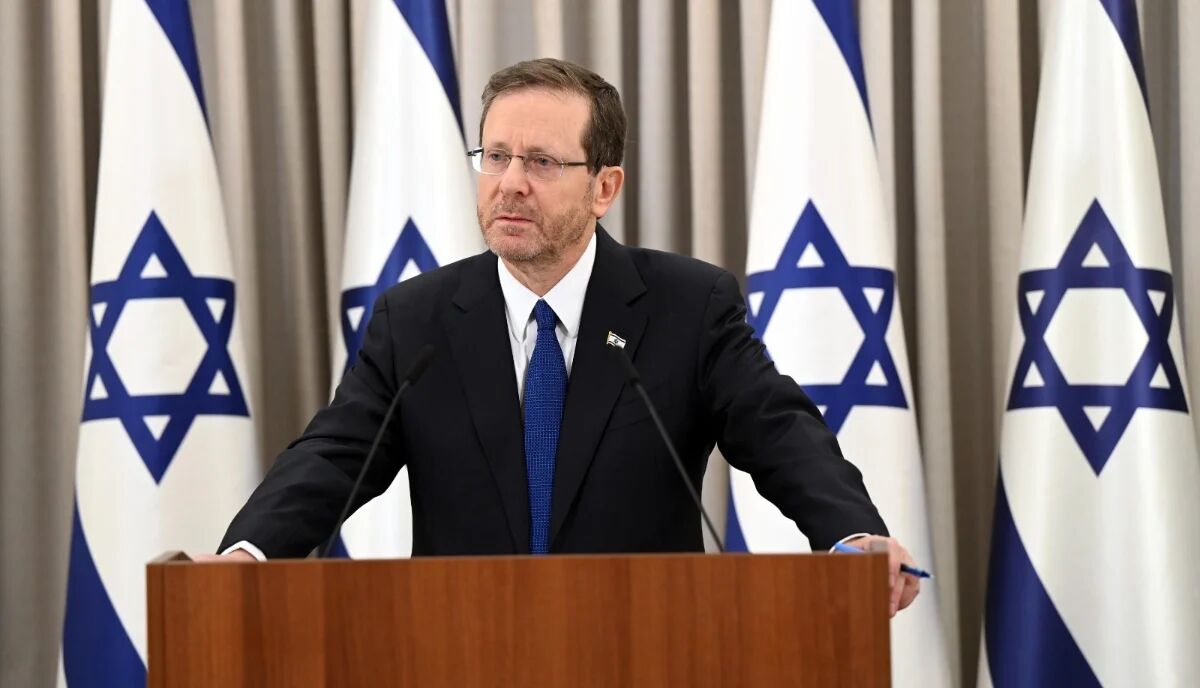
Israeli President Isaac Herzog said Iran’s nuclear infrastructure had been “substantially hit,” though he had not been notified beforehand. Israel has carried out its own recent strikes on military targets inside Iran, with Iran returning fire.
The UK government has advised citizens against all travel to Israel, the Occupied Palestinian Territories, and Iran. Evacuation plans for British nationals are being coordinated, with charter flights prepared when conditions permit.
Starmer said UK defense assets had been repositioned to protect personnel and national interests in the region. “We are taking all necessary steps to protect UK citizens and support our allies,” he said.
Uncertainty looms ahead
The Prime Minister emphasized that his strategy remains focused on diplomacy, not military involvement. He avoided confirming whether the UK would support the U.S. under NATO’s Article 5 if Iran retaliates. “I won’t speculate. My focus is on de-escalation,” Starmer said.
Pressed on whether he misjudged President Trump’s intentions after the G7 summit, where Starmer had suggested no U.S. attack was imminent, he said: “It’s a fast-moving situation. Since the G7, there have been intense discussions. The U.S. acted to reduce a threat. My position remains clear return to diplomacy.”
British officials are expected to remain in contact with global partners in the coming days to assess the aftermath of the strikes and pursue a path back to negotiation.
The world now waits to see how Tehran will respond and whether the conflict will expand beyond the Middle East.
About the Author