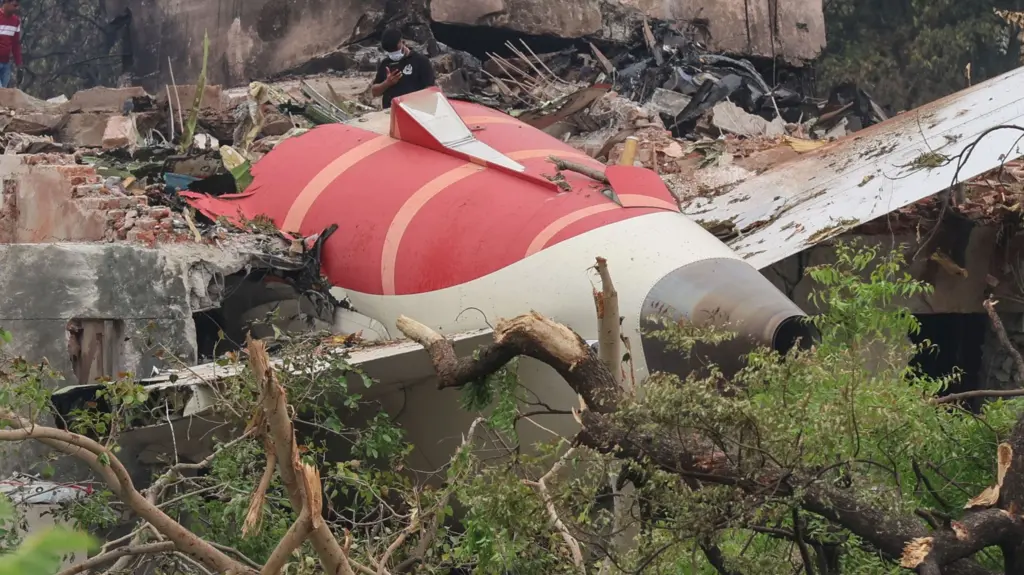
AHMEDABAD, India — Under a cloudless June sky, the smell of scorched metal and dust still hangs in the air. The twisted remains of Air India flight AI171 lie strewn across what was once a quiet residential area near Ahmedabad airport. Rescue workers in high-visibility gear step carefully through the wreckage, combing through for clues and for the black boxes.
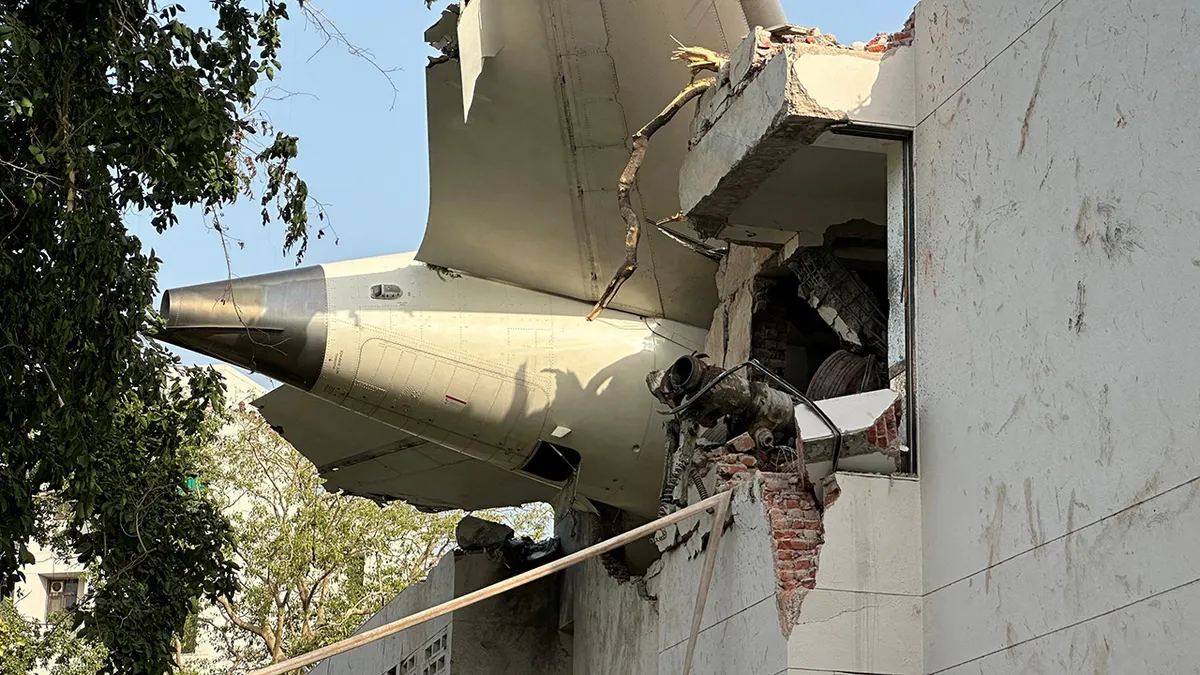
The flight, bound for London, crashed just minutes after take-off on Thursday morning, killing 241 of the 242 people on board. Among the dead: families, medical professionals, and a 15-year-old boy named Akash, who was working part-time in a café inside the building struck by the plane.
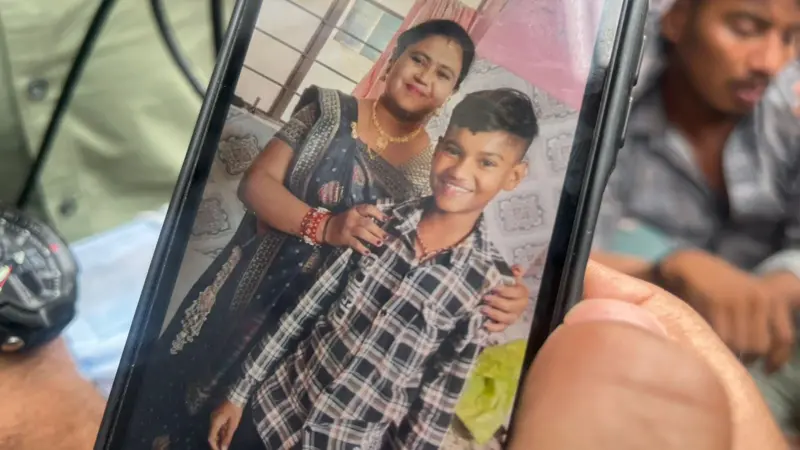
His mother, Sita Ben, suffered severe burns attempting to rescue him. She remains in hospital. His older brother, Kalpesh, could barely speak through tears as he showed reporters a photo of the two of them. “He was the kindest boy,” he whispered.
‘A scream, then silence’
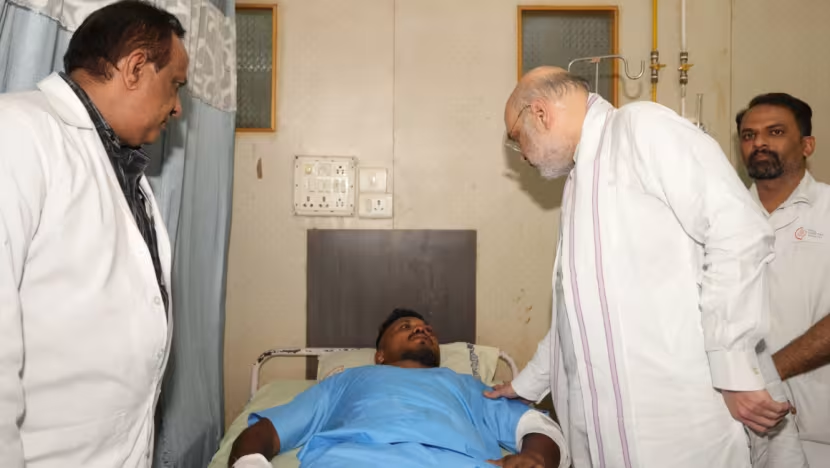
Prime Minister Narendra Modi visited the crash site on Friday, accompanied by senior officials and aviation minister Kinjarapu Ram Mohan Naidu. He spent about 20 minutes at the scene, walking through debris but saying little. Later, he visited the Civil Hospital where injured victims are being treated and bereaved families are gathering.
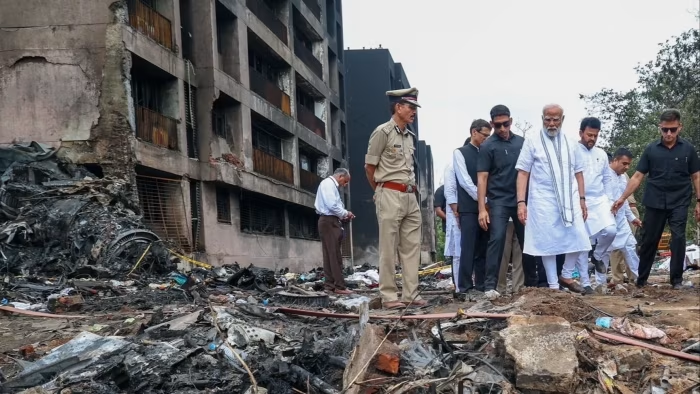
The silence from officials has only deepened the sense of confusion and anguish.
“I heard a massive boom and ran out,” said Manjeet Singh, a local shopkeeper. “There was screaming, smoke. Then silence.”
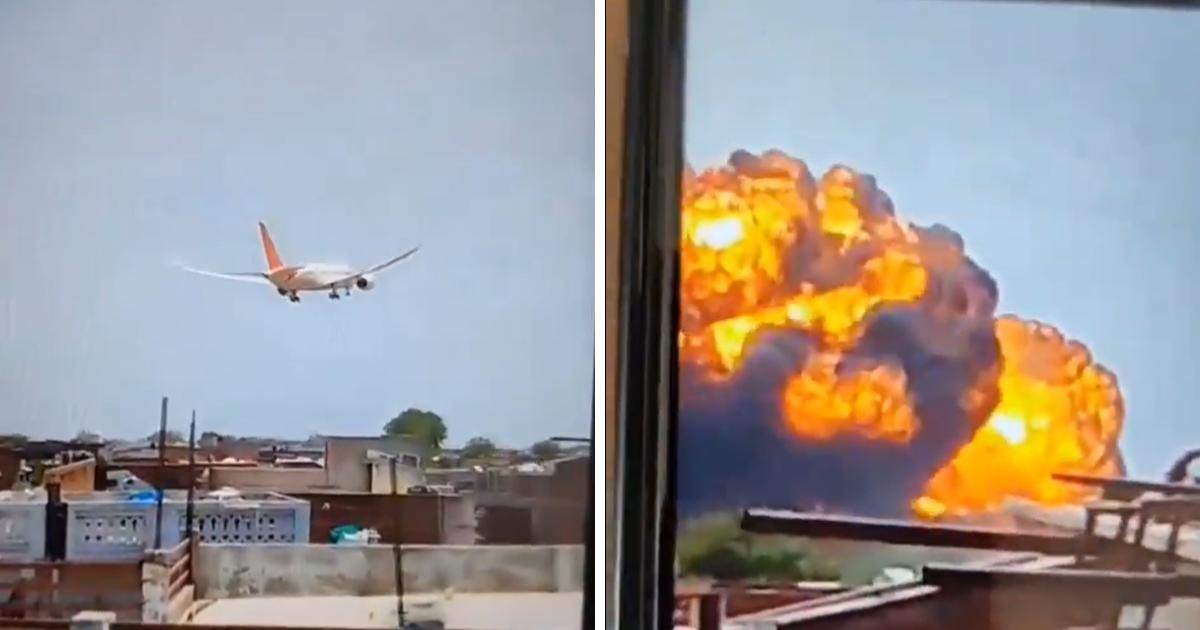
Authorities have yet to release a full list of casualties on the ground. The aircraft slammed into a doctors’ hostel, destroying parts of the building and raising fears that many more were killed or injured beyond those aboard.
One man survived
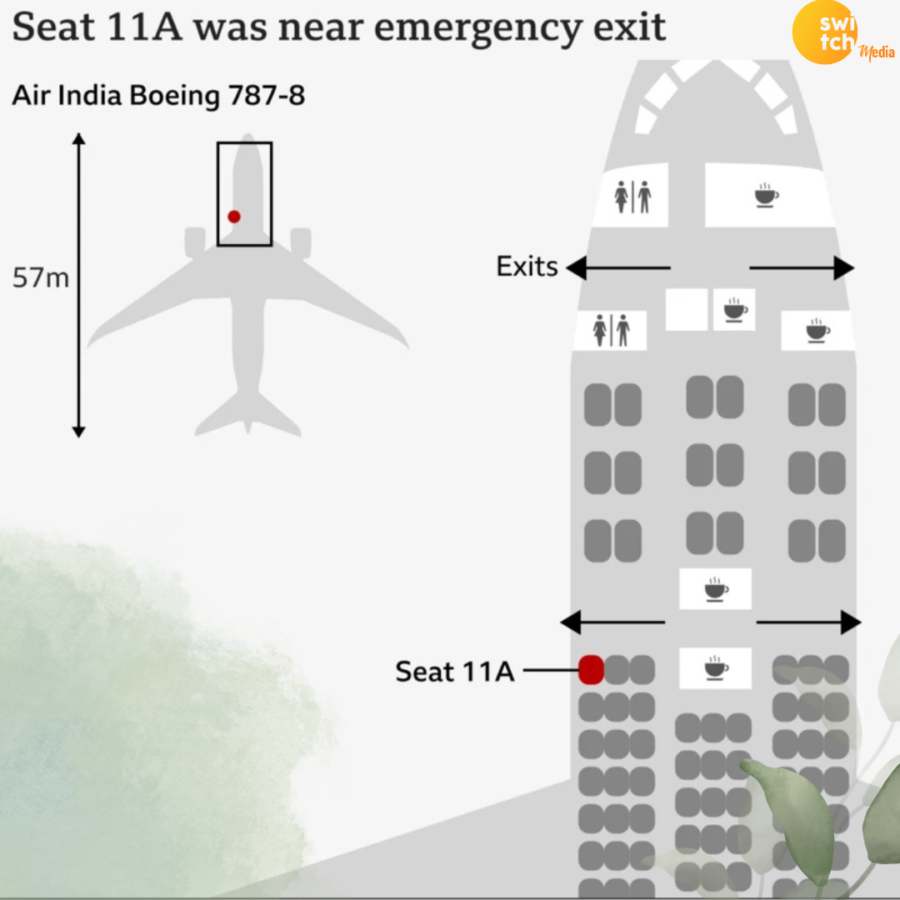
The only person to survive the crash was 34-year-old British national Vishwashkumar Ramesh. Seated in 11A just behind an emergency exit he somehow made it out alive. His brother, Rajesh, told the media: “He doesn’t remember much. He just knows he woke up in hospital. He has no idea how he survived.”

Aviation experts are baffled.
“This is almost inexplicable,” said Dr Guy Gratton, aviation specialist at Cranfield University. “In crashes this severe, you usually get either multiple survivors or none at all. For one person to make it especially from that part of the plane is almost unheard of.”
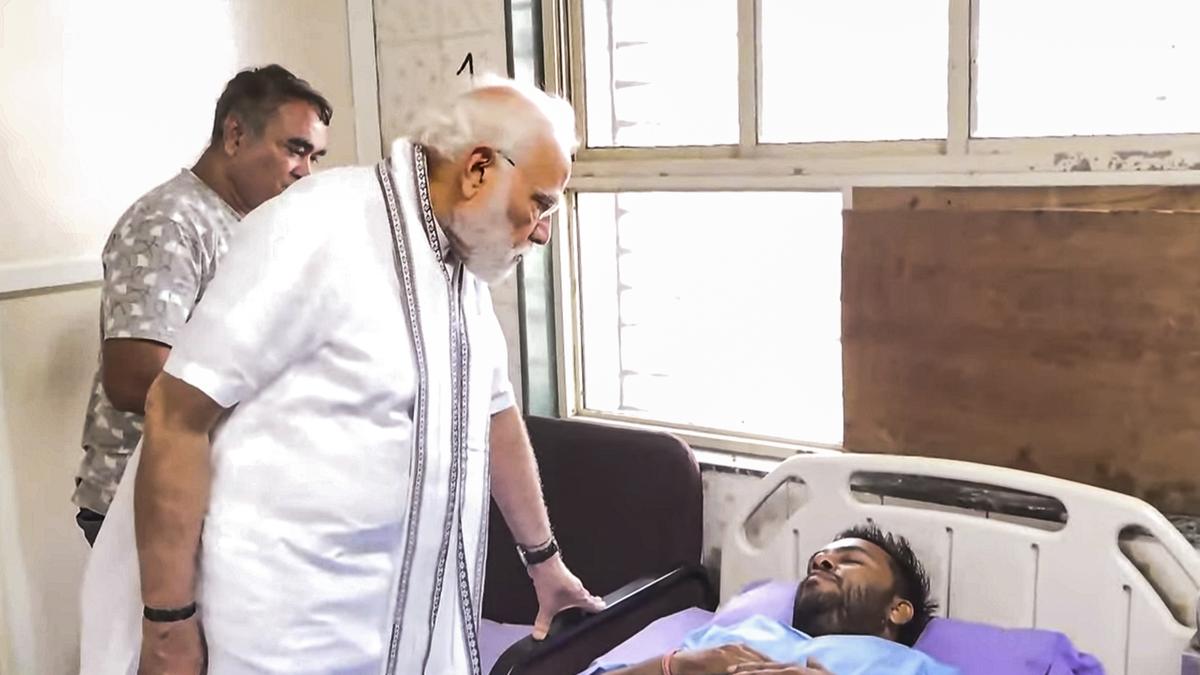
Investigators believe the location of his seat may have saved him. It’s possible the seat section was thrown clear of the wreckage on impact.
DNA, not names
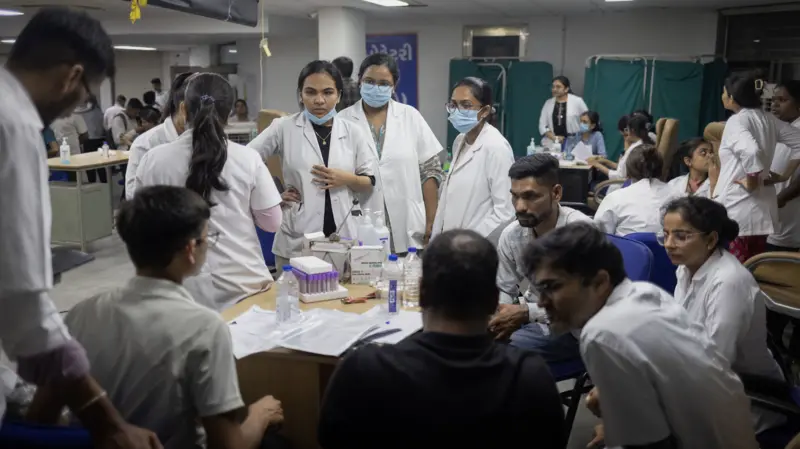
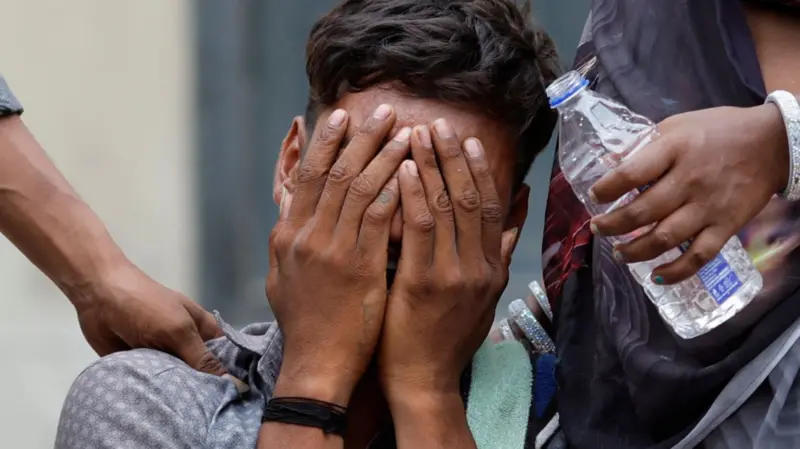
At Ahmedabad’s Civil Hospital, families clutching water bottles and photographs wait in long queues. They are here to give DNA samples. Identification of the dead, officials say, will depend largely on these results due to the state of the bodies.
“This is the worst part,” said Dr Neha Sharma, a forensic examiner helping with the identifications. “We can’t release remains until we’re sure. That’s the law and the families deserve accuracy.”
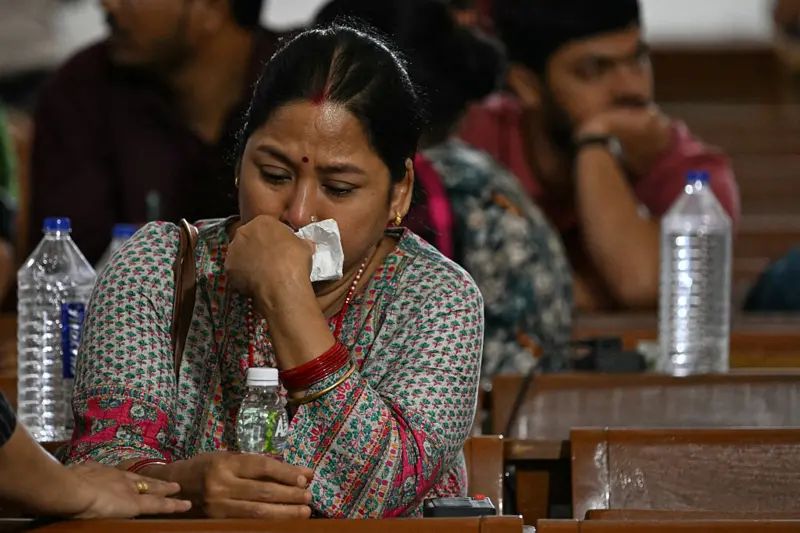
One woman, still in tears, said her nephew had been returning to the UK after performing his father’s last rites in India. “Now I have to prepare another funeral,” she said quietly.
What happened?
The cause of the crash remains unclear. Experts from India’s Directorate General of Civil Aviation (DGCA) and Boeing representatives have arrived on site. But until the flight data and cockpit voice recorders commonly called “black boxes” are found, investigators can offer little more than theories.
Some have pointed to possible engine failure; others suspect a structural fault. The Boeing 787-8 Dreamliner involved in the crash had passed routine maintenance checks, Air India confirmed. The plane was part of the national carrier’s expanding fleet after a major merger with Vistara last year.
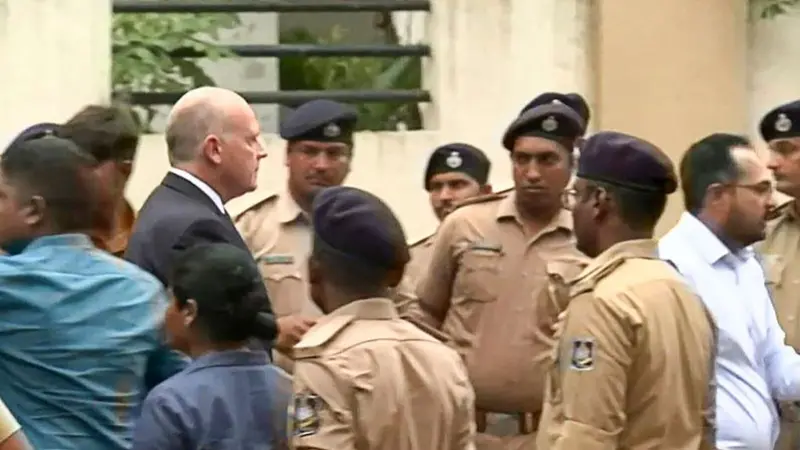
Campbell Wilson, CEO of Air India, visited the scene briefly on Friday morning. He made no public statement but had previously expressed “deep sorrow” over the tragedy, pledging that “every resource” was being directed toward helping victims’ families.
A troubled past
Though Air India’s safety record has improved in recent years, Thursday’s crash is its deadliest since 2020, when a plane skidded off the runway in Kozhikode, killing 18. Earlier disasters, including a 2010 crash in Mangaluru that left 158 dead, haunt the airline’s history.
The Dreamliner involved in this week’s crash had not previously been part of any incident. This marks the first fatal accident involving a 787 for the airline.
Meanwhile, diversions and distress
The crash comes amid broader disruption in the skies. At least 16 Air India flights were diverted this week following the closure of Iranian airspace due to regional tensions. While unrelated to the crash, it has added to the airline’s logistical chaos.
Shares in Singapore Airlines, which owns a 25.1% stake in Air India, dipped nearly 2% on Friday. Investors are watching closely.
Waiting for the black box and the truth
By Friday afternoon, more coffins had emerged from the hospital’s post-mortem rooms. Families followed them in silence. Some collapsed in the courtyard. Others lit candles and wept over old photographs shown on mobile phones.
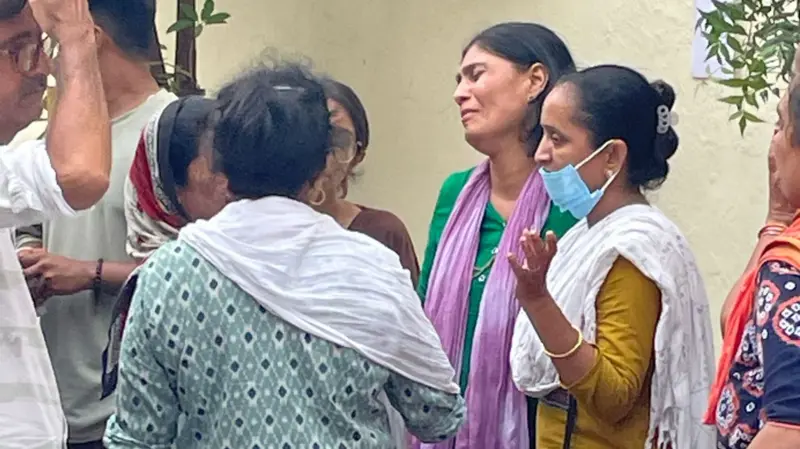
“This has changed our lives forever,” said Arvind Joshi, who lost his daughter and son-in-law in the crash. “But we still don’t know why it happened.”
Back at the crash site, police have cordoned off the area as forensic teams begin the long task of gathering evidence. The wreckage remains under guard. And somewhere beneath it all, investigators hope, are the black boxes the only real witnesses to what went wrong.
Until they are found, a nation waits.
About the Author