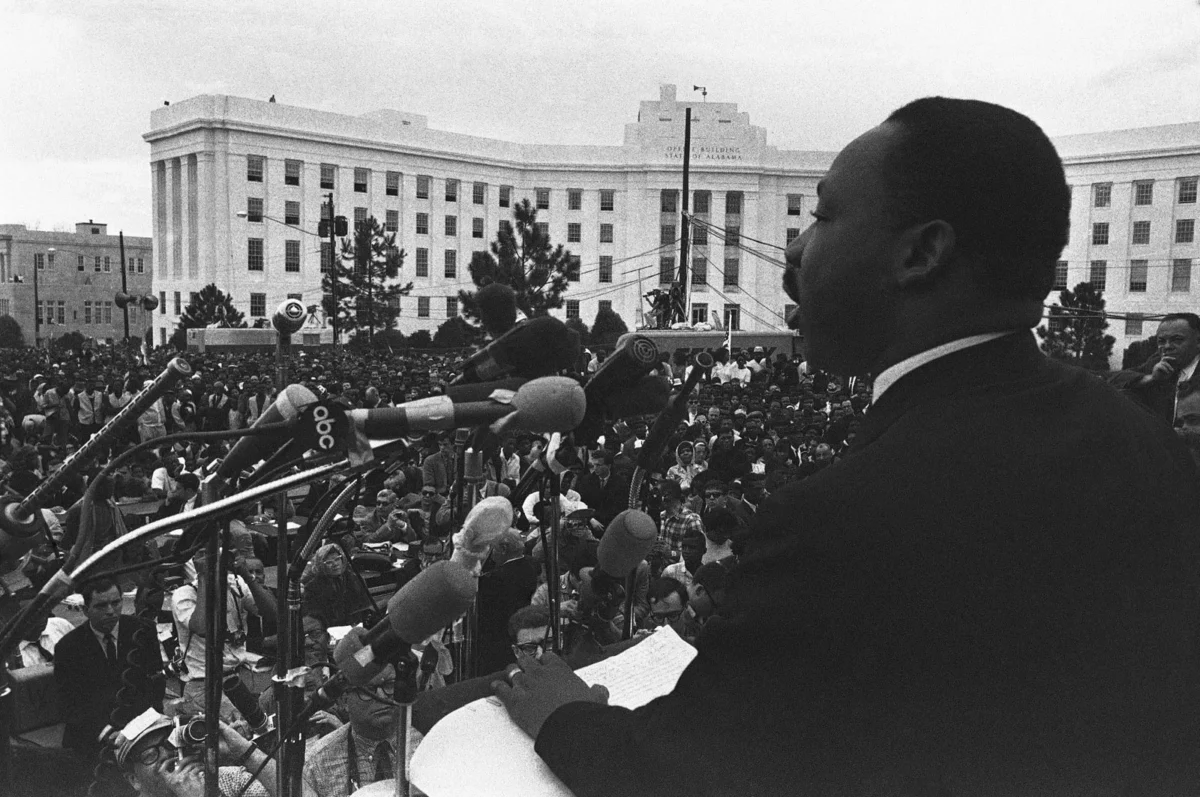
On the third Monday of every January, much of the United States slows down.
Government offices close. Schools fall quiet. Flags fly in quiet reflection. Across the world, American embassies follow suit.
The day is set aside to honour Dr. Martin Luther King Jr., a Baptist minister who became the moral voice of the US civil rights movement and one of the most recognized figures of the 20th century.
More than half a century after his death, his message still travels.
A preacher who challenged a nation
Dr. King was not a politician. He held no public office. Yet his words reshaped American history.
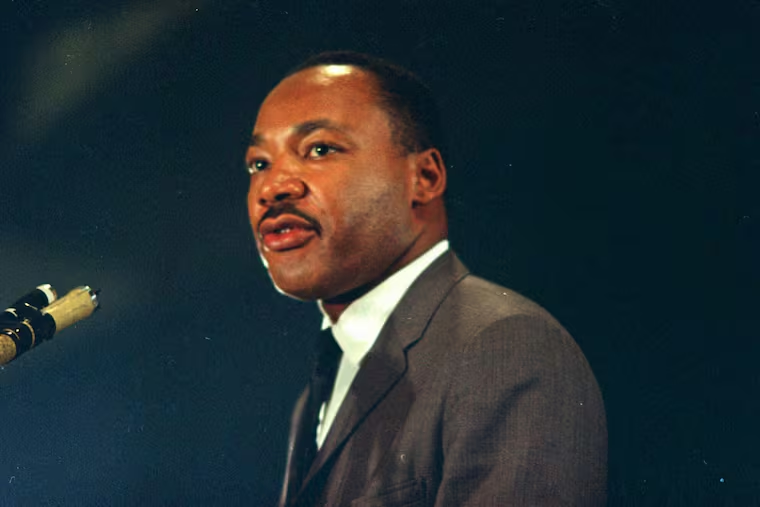
Born in Atlanta in 1929, he rose to national prominence during the 1955 Montgomery bus boycott, sparked after Rosa Parks refused to give up her seat to a white passenger. The protest lasted more than a year and marked the beginning of a new phase in the fight against racial segregation.
King preached non-violence, inspired by Christian teaching and the philosophy of Mahatma Gandhi. He argued that injustice should be confronted without hatred.
“We must meet hate with love,” he often said in sermons and speeches, according to archived records from the King Center in Atlanta.
His leadership helped push forward major legal changes, including the Civil Rights Act of 1964 and the Voting Rights Act of 1965. That same year, he became the youngest person at the time to receive the Nobel Peace Prize.
Yet his work also drew fierce opposition. He was arrested several times, placed under government surveillance, and criticized by both white segregationists and some Black activists who felt his approach was too gentle.
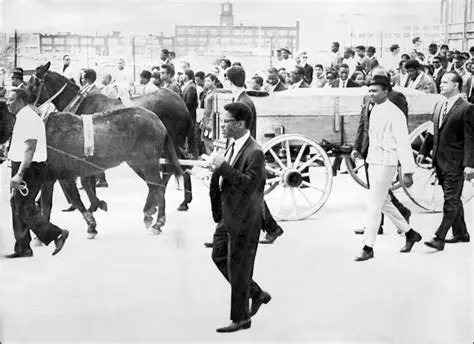
In April 1968, he was assassinated in Memphis, Tennessee. He was 39.
Why a national holiday was created
The idea of a national holiday in King’s honour did not come easily.
It took years of public pressure, protests and debate in Congress. Some lawmakers questioned whether a civil rights leader should be given the same recognition as presidents.
In 1983, President Ronald Reagan signed the bill into law. The first federal observance took place in 1986.
The holiday is now marked on the third Monday of January, close to King’s birthday on January 15. All 50 US states formally recognised it by the year 2000.
Today, it stands as the only US federal holiday dedicated to an individual who was not a government official.
A day of service, not just remembrance
In the United States, Martin Luther King Jr. Day is often described as “a day on, not a day off”.
Communities are encouraged to volunteer, donate and engage in civic work. Schools and churches host discussions on equality, justice and citizenship.
According to the Corporation for National and Community Service, millions of Americans take part in service activities each year, from food drives to neighbourhood clean-ups.
The aim is simple: to turn reflection into action.
Why US embassies observe the day
American embassies and consulates around the world close in observance of the holiday, following the US federal calendar.
Diplomats say the move is both administrative and symbolic.
While routine services pause, emergency assistance for US citizens usually remains available.
The observance also offers a moment for dialogue. Many embassies host public talks, cultural events or school outreach programmes focused on civil rights and social justice.
Why it still matters globally
Though rooted in American history, King’s message has found an audience far beyond US borders.
His emphasis on peaceful resistance has influenced movements in Africa, Europe and Latin America. Scholars often draw parallels between the US civil rights struggle and independence or reform movements elsewhere.
Professor Clayborne Carson, a historian and longtime editor of King’s papers at Stanford University, has described King as “a global figure whose ideas travelled faster than the borders around him”.
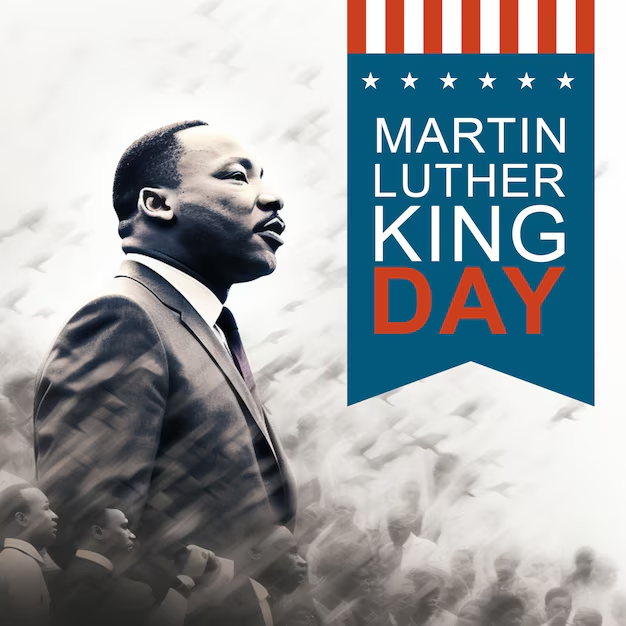
In a world still wrestling with inequality, discrimination and political division, his words continue to echo not as slogans, but as moral questions.
How should power be challenged?
What does justice look like?
And can change come without violence?
Each January, as offices close and ceremonies unfold, those questions return quietly, insistently reminding the world why Martin Luther King Jr. Day still matters.
About the Author