
Kenya has announced new entry fees for its national parks, reserves, and sanctuaries, the first major price adjustment in 18 years. The changes, set to begin on 1 October, are intended to boost conservation funding and improve visitor services.
The Kenya Wildlife Service (KWS) said the revised tariffs were approved last week under the Wildlife Conservation and Management (Access, Entry and Conservation) (Fees) Regulations 2025. Officials argued that the move will help keep Kenya’s parks on par with other global destinations while addressing rising management costs.
“The new regulations will officially come into effect on Wednesday, 1st October 2025,” KWS said in a public notice.
Tourism and Wildlife Cabinet Secretary Rebecca Miano backed the decision, assuring the public that her ministry was committed to a smooth rollout.
KWS Director General Erustus Kanga also sought to calm fears over existing bookings. “KWS will honour all eCitizen payments made before this announcement and the revised fees will therefore apply only to new bookings made for 1st October onwards,” he said.
The changes mean Kenyans will now pay Ksh1,500 to enter Amboseli and Lake Nakuru National Parks, up from Ksh860. Fees for Tsavo East and Tsavo West have nearly doubled to Ksh1,000. At Nairobi National Park, locals will pay Ksh1,000 in the high season and Ksh600 in the low season.
For foreign visitors, the hikes are even steeper. Non-residents will be charged Ksh7,500 at Nairobi National Park in the high season, dropping to Ksh5,000 in the low season. In parks such as Meru and Aberdare, the range stretches from Ksh5,169 in the low season to over Ksh9,000 at peak times.
Children between 5 and 17 will face new age-specific fees across all parks. Annual passes will also become costlier: Ksh45,000 for adults, Ksh10,400 for children, and Ksh130,000 for families.
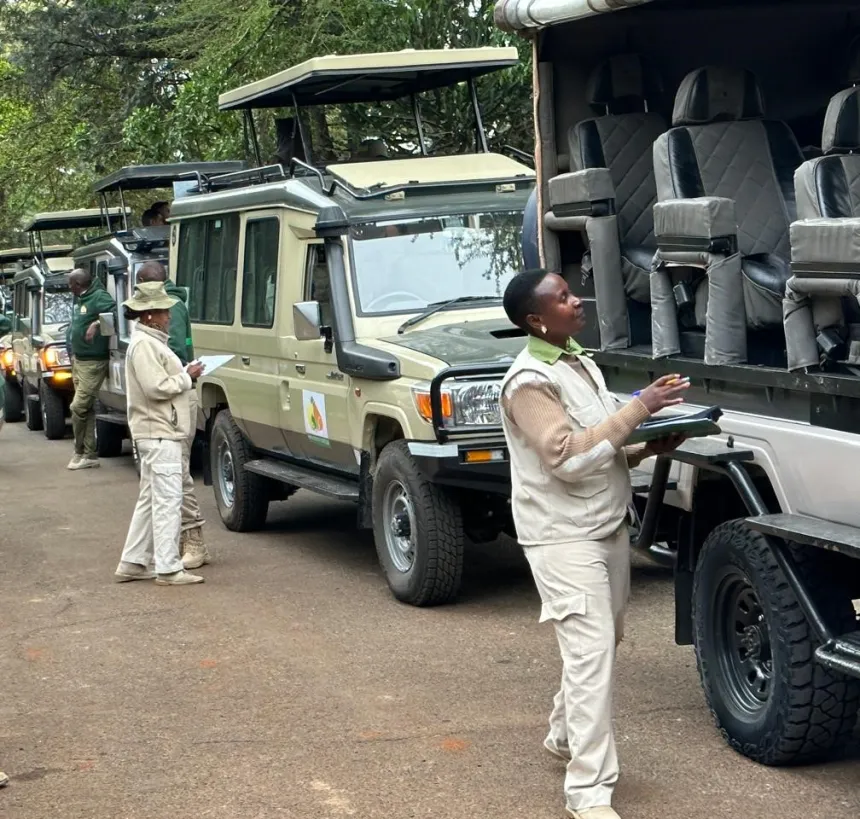
Some concessions remain. Senior citizens aged 70 and above, along with persons with disabilities, will continue to enjoy free entry. Tour drivers will pay a standard fee of Ksh6,000.
The announcement comes at a time when Kenya is seeking to balance conservation needs with public access. Supporters argue the funds are vital to protect wildlife and maintain facilities. Critics, however, worry that higher prices may discourage domestic tourism at a time when many Kenyans are already struggling with the rising cost of living.
About the Author