
Kenya has declared the Muslim Brotherhood and Hizb-ur-Tahrir terrorist organisations, a move that officials say is aimed at preventing extremist groups from gaining a foothold in the country.
The declaration, signed by Interior Cabinet Secretary Kipchumba Murkomen and published in the Kenya Gazette on 19 September, took immediate effect. It criminalises membership, fundraising, propaganda, or any form of support for the two movements.
“This designation ensures that security agencies have the tools they need to act against radicalisation and extremist networks before they take root,” Mr. Murkomen said when announcing the order.
The legal notice, issued under Section 3(3) of the Prevention of Terrorism Act, also empowers the state to freeze assets, ban meetings, and prosecute individuals found associating with proscribed organisations. Courts may grant security agencies extended detention powers for suspects while investigations are under way.
Kenya’s move aligns it with countries such as Egypt, Saudi Arabia, the United Arab Emirates, Bahrain, and Russia, which have already outlawed the Muslim Brotherhood. Founded in Egypt in 1928, the Brotherhood is widely regarded as a key driver of modern political Islam, inspiring movements across the Middle East and North Africa.
The decision also reflects Kenya’s efforts to tighten counterterrorism measures after a decade marked by devastating attacks attributed mainly to al-Shabaab, the Somalia-based al-Qaeda affiliate. The 2013 Westgate Mall siege, the 2015 Garissa University massacre, and the 2019 DusitD2 hotel assault remain among the deadliest in recent memory.
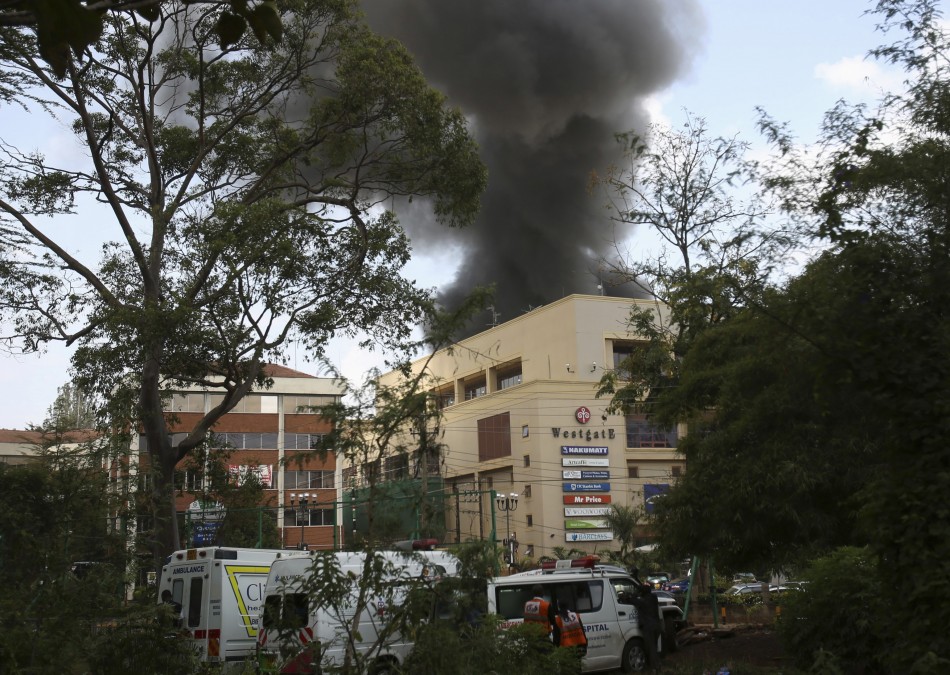
Analysts say that while al-Shabaab remains Kenya’s most immediate threat, proscribing other Islamist organisations signals a broader strategy. “This is about preempting the risk of radical networks taking shape within Kenya’s borders,” said one Nairobi-based security researcher.
Kenya has stepped up operations in Somalia, strengthened border surveillance, and introduced deradicalisation programmes in recent years. Officials credit these measures with reducing urban terror incidents. Outlawing new organisations, they argue, consolidates these gains.
The order carries no expiry date. It remains in force unless overturned by a court, giving Kenyan authorities sweeping legal cover to dismantle potential extremist cells and financial channels.
For a country that has long cast itself as a frontline state in the fight against global terrorism, the move underlines Nairobi’s determination to stay ahead of evolving threats.
About the Author