KHARTOUM — More than 1.3 million displaced Sudanese have begun returning home despite widespread destruction and a critical lack of humanitarian aid. Aid agencies warn that unless urgent funding arrives, returning families will find themselves trapped in devastated towns without water, electricity, or essential services. According to a joint statement from the International Organization for Migration (IOM), the United Nations Refugee Agency (UNHCR), and the UN Development Programme (UNDP), the return movement includes over 1 million internally displaced people and 320,000 returnees from Egypt and South Sudan.
The majority are heading back to Khartoum, Sennar, and Al Jazirah regions still bearing deep scars from over two years of war. Damage in these areas includes collapsed buildings, destroyed infrastructure, and looted public services.
Speaking after a recent visit to Khartoum and Wadi Halfa, Mamadou Dian Balde of the Sudan refugee coordination team said, “These returns show more than a desire to rebuild. They are a cry for peace. People are returning to reclaim their lives, but they are walking into shattered communities without support.”
Basic infrastructure remains in ruins. Power lines, roads, water systems, schools, and hospitals have been reduced to rubble or repurposed into shelters for displaced families. Many returnees lack civil documents, cutting them off from any public assistance.
Sexual violence, child rights violations, and threats from unexploded ordnance persist in these communities. UN teams say conditions remain unsafe without coordinated aid and protection efforts.
IOM’s Othman Belbeisi emphasized the resilience of returnees but warned of deep challenges ahead. “They are not just victims they are key to rebuilding Sudan. But hope alone can’t fix broken cities. We must act now to restore basic services and ensure returns are safe and voluntary.”
At the same time, hundreds of people continue to flee each day. Fighting remains active in Darfur and Kordofan, forcing more families across borders into Chad, South Sudan, and Egypt.
UNDP Regional Director Abdallah Al Dardari described the scale of the task ahead: “Without action, people will return to cities in ruins. We’re racing against time to clear debris, restore health and water systems, and offer mental health and legal support especially for women who have suffered violence.”
Sudan remains home to more than 10 million displaced people. Nearly 8 million were forced from their homes by the current war. The country also still hosts over 880,000 refugees from South Sudan, Ethiopia, and Eritrea.
So far, only 23% of the $4.2 billion needed to support nearly 21 million people inside Sudan has been raised. Aid to refugees in neighboring countries is faring worse, with just 16% of the $1.8 billion target secured.
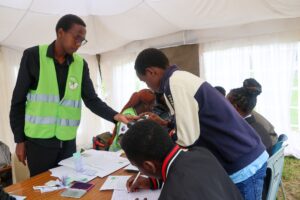
Despite these limitations, humanitarian teams are distributing bedding, hygiene kits, clean water, and basic health supplies. Safe spaces for women are being set up in Khartoum and Al Jazirah to offer mental health care and legal assistance. Plans are also underway to clear war debris and dangerous unexploded ordnance.
Aid agencies say that rebuilding Sudan requires more than emergency relief. It demands political resolution, sustained funding, and coordinated support for long-term recovery.
“The Sudanese people have endured enough,” the joint statement read. “They deserve the chance to return not to ruins, but to homes where peace, dignity, and opportunity can take root.”
About the Author