Journalists trapped in Gaza are running out of food and options. Leading global news outlets now warn that local reporters, once vital to the world’s understanding of the conflict, are themselves facing starvation.
In a joint statement released on Thursday, BBC News, Reuters, AP, and AFP raised alarm over the worsening humanitarian conditions facing their reporters stationed in Gaza. “They are now facing the same dire circumstances as those they are covering,” the statement read.
“We are desperately concerned for our journalists in Gaza, who are increasingly unable to feed themselves and their families,” the media organizations said. “Journalists endure many deprivations and hardships in warzones. We are deeply alarmed that the threat of starvation is now one of them.”
The news outlets also called on the Israeli government to immediately allow international journalists to enter and exit Gaza and to ensure unrestricted delivery of food and aid. Foreign press have been barred from reporting inside Gaza since October 2023.
The warning comes amid rising global concern over a widespread hunger crisis inside the enclave. More than 100 international humanitarian organizations this week reported worsening malnutrition, calling the food shortage across Gaza “mass starvation.”
Since early March, Israel has controlled the flow of goods into the territory and has only partially reopened aid corridors. According to the Hamas-run health ministry, at least 45 people have died of malnutrition since Sunday, bringing the total to 113 confirmed starvation-related deaths since the war began.
The World Health Organization (WHO) estimates that one in four people in Gaza now lives under famine-level conditions. WHO Director-General Tedros Adhanom Ghebreyesus said Wednesday, “I don’t know what you would call it other than mass starvation, and it’s man-made. That’s very clear this is because of the blockade.”
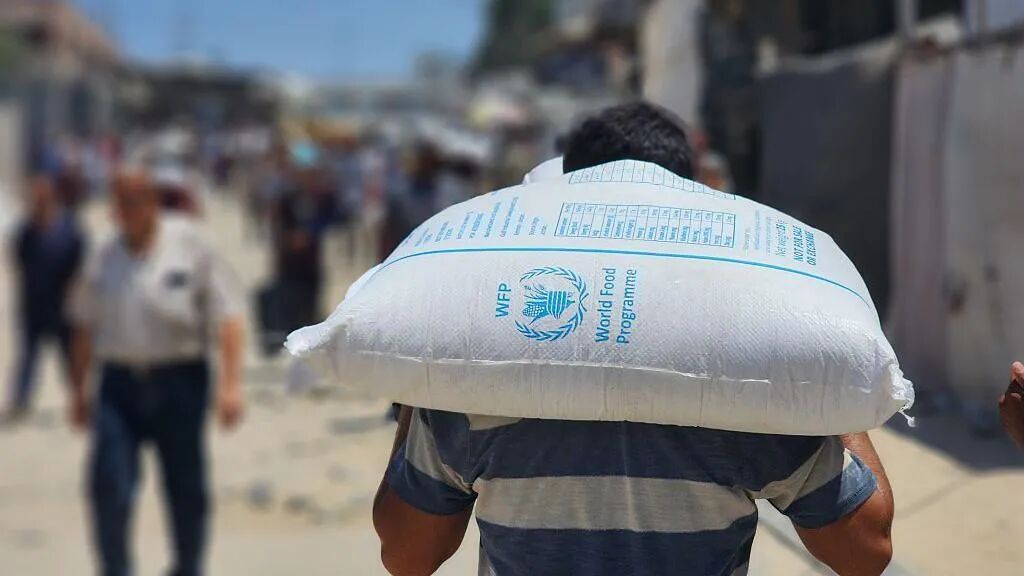
Humanitarian aid has been slowed further by the new Gaza Humanitarian Foundation (GHF) system, a distribution network set up by Israel and the United States. The program uses private contractors to deliver food from military-controlled zones, which aid groups have criticized for endangering civilians and excluding UN involvement.
The United Nations reports that more than 1,000 Palestinians have been killed while attempting to access food near GHF sites since late May. These deaths include 766 people shot near distribution zones and 288 more near UN aid convoys.
Israel maintains that the security measures are necessary to prevent Hamas from seizing food. Aid agencies reject that claim, arguing that no evidence has been provided to support accusations of widespread aid theft.
Médecins Sans Frontières, Save the Children, and Oxfam released a separate statement saying that both their staff and the communities they serve in Gaza are “wasting away.” They added that repeated requests for increased humanitarian access have gone unanswered.
Israel has accused the aid groups of promoting “Hamas propaganda,” a claim that humanitarian agencies say deflects from the worsening crisis on the ground.
Journalists in Gaza who have served as the primary source of eyewitness reporting during the ongoing war—now face the same hunger, deprivation, and risks as the civilians they document. The joint statement from the four major news agencies ends with a direct plea:
“It is essential that adequate food supplies reach the people there.”
About the Author