New scientific findings from Lake Victoria have uncovered increased fish mortality caused by poor farm practices, disease mismanagement, and rising antibiotic resistance putting the region’s fast-growing cage aquaculture sector under intense scrutiny. The research, conducted between 2020 and 2023, documented over 80 mass fish deaths involving more than 1.8 million tilapia. Despite the scale of the losses, only 39 percent of the outbreaks were officially reported, and fewer than one in five farmers sought treatment for affected fish.
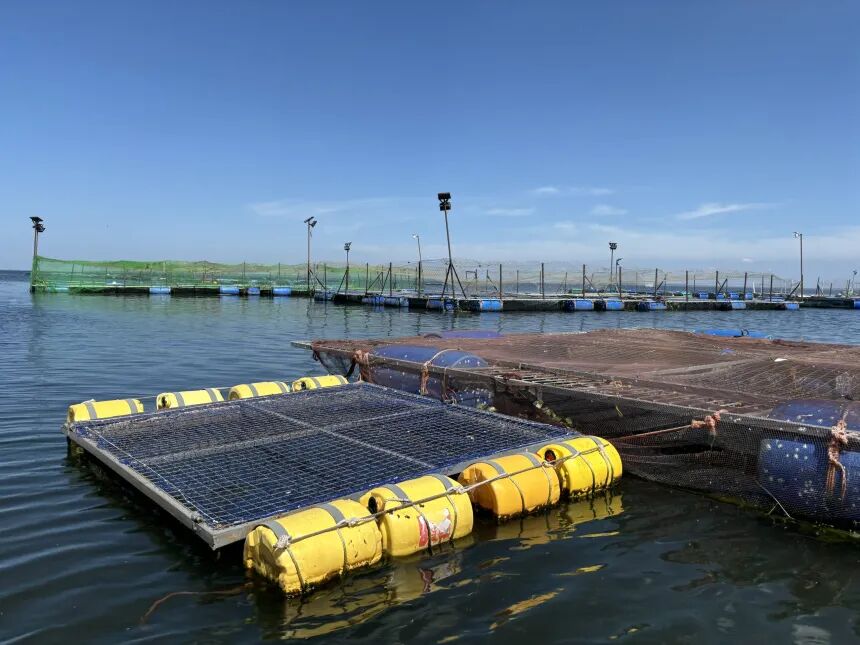
The study, led by Cornell University in collaboration with Kenya Marine and Fisheries Research Institute (KMFRI) and the International Livestock Research Institute (ILRI), is the first to isolate bacterial pathogens from a tilapia death event in Lake Victoria and analyze their resistance to antibiotics.
“Many of these bacteria are opportunistic, taking advantage of poor water conditions and stressed fish,” said lead researcher Eric Teplitz. “This highlights the urgent need for environmental and farm management reforms.”
Samples from Busia and Kisumu counties showed bacteria with varying resistance levels to widely used antibiotics, raising concerns that fish farming could become a new front in the global antimicrobial resistance (AMR) crisis.
Researchers found that most farmers had no access to veterinary input or diagnostic services. Dead fish were often dumped back into the lake, worsening the problem. In response, the team led workshops with local farmers promoting safer practices such as burying or burning dead fish, spacing cages in deeper waters, and reporting disease outbreaks.
Teplitz added, “The One Health approach is key here. Aquatic and terrestrial systems are connected. Poor farm practices not only threaten food systems but can also feed into wider public health risks.”
Ekta Patel from ILRI echoed the concern, warning that aquatic ecosystems may serve as breeding grounds for drug-resistant bacteria. “Early detection and responsible antimicrobial use are essential if we want to protect fish farms and human health alike,” she said.
Christopher Aura, Director of Freshwater Systems Research at KMFRI, emphasized the value of data-sharing. “We need tighter links between farmers, regulators, and scientists. Timely data can shape biosecurity policies and help stop outbreaks before they spread.”
The researchers stressed that AMR is not just a human health problem it’s now a fisheries and food security threat. They are calling for the Kenyan government to invest in national fish health systems, promote targeted AMR policies, and build up diagnostic infrastructure for aquaculture.
Kathryn Fiorella, who oversaw the project, said, “Fish farming has the potential to deliver nutrition and jobs in East Africa, but only if we strengthen disease monitoring and protect the lake’s ecological balance.”
The report urges the agriculture and fisheries ministries to scale up early warning systems, train more fish health specialists, and prioritize safe antibiotic use in line with global AMR strategies.
Lake Victoria supports one of Africa’s largest freshwater fisheries. But without stronger safeguards, experts warn the industry may face further setbacks from recurring disease, dwindling productivity, and shrinking profits.
About the Author