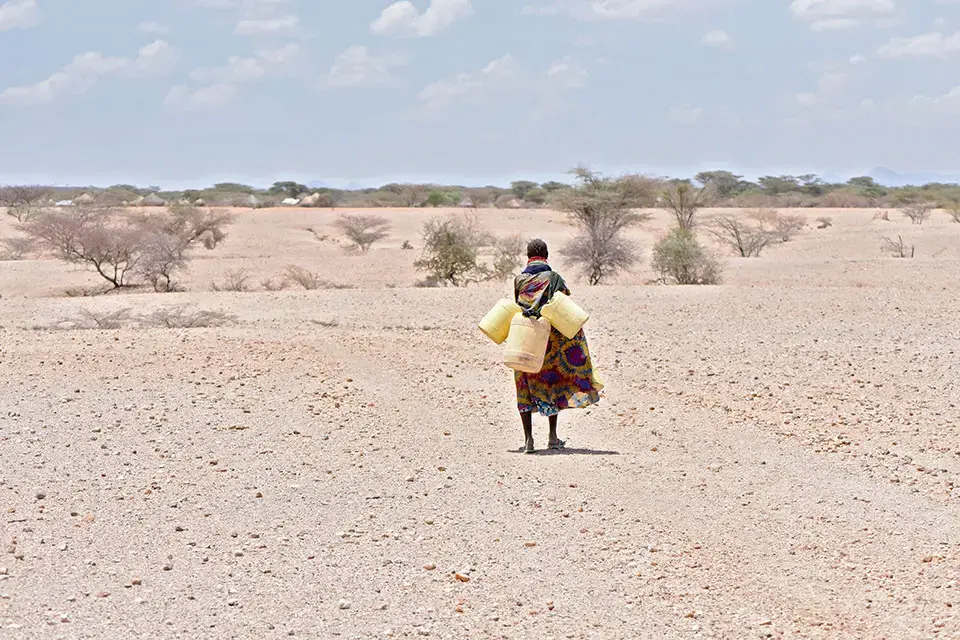
ZARIA, Nigeria — When climate disasters strike, they rarely arrive alone. Alongside flash floods, droughts and crop failures, another threat quietly grows one that hits hardest for women and girls.
“Climate change isn’t gender neutral,” said Selwin Hart, the United Nations Special Adviser on Climate Action and Just Transition. “It amplifies existing injustices. And women, especially in poor and vulnerable countries, are on the frontlines.”
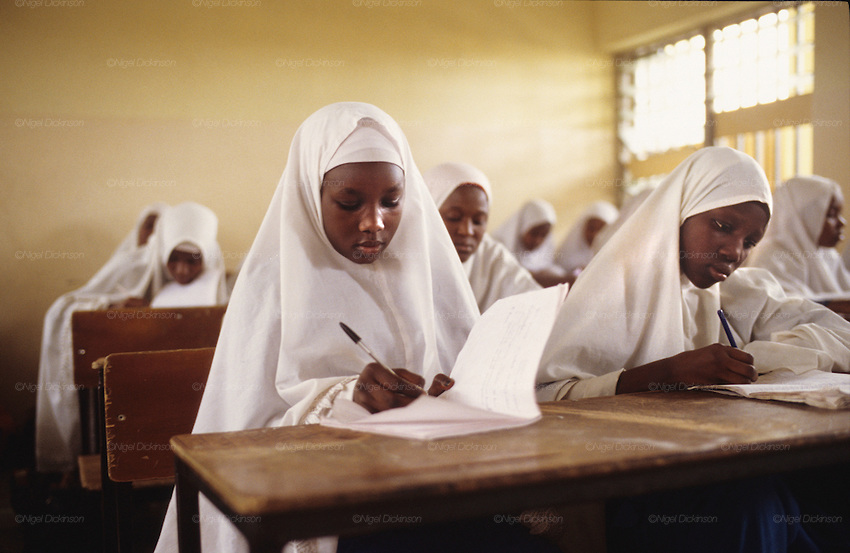
The effects are both far-reaching and intimate. Girls pulled from school. Young brides handed off in desperation. Mothers struggling to give birth in stifling heat. Survivors of sexual violence abandoned in overcrowded shelters.
Across the Global South, women are bearing the brunt of a crisis they did little to cause. And while the headlines often focus on rising sea levels and hotter days, the gendered fallout of climate change is happening now in communities, homes, and classrooms.
A team of seven women photojournalists recently spent months documenting this lesser-seen side of the crisis in seven countries. Their images and interviews tell a story of inequality, resilience, and quiet resistance.
“We Need to Educate Girls to Weather the Storm” – Nigeria
In the dusty town of Zaria in northern Nigeria, girls face long odds just getting to school. According to UNICEF, more than 10 million children in Nigeria aged 5 to 14 are out of school most of them girls.

Extreme heat, flash floods and crumbling infrastructure make the journey risky. But it’s not just weather. Poverty, tradition and gender norms often decide a girl’s future.
“Education is not just a right, it’s a shield,” said Habiba Mohammed, who leads the Center for Girls’ Education. “If girls understand the climate and how to adapt, they’re less likely to be forced out of school or into early marriage.”
A 2021 study by the Brookings Institution estimated that every extra year a girl spends in school boosts her country’s resilience to climate disasters.
In Zaria, efforts are growing to equip girls with climate education and skills. But for many, time is already running out.
Amazon Women Fight for Forest and Future – Brazil
Deep in northeast Brazil, thousands of women are fighting back against the destruction of the Amazon rainforest one coconut at a time.
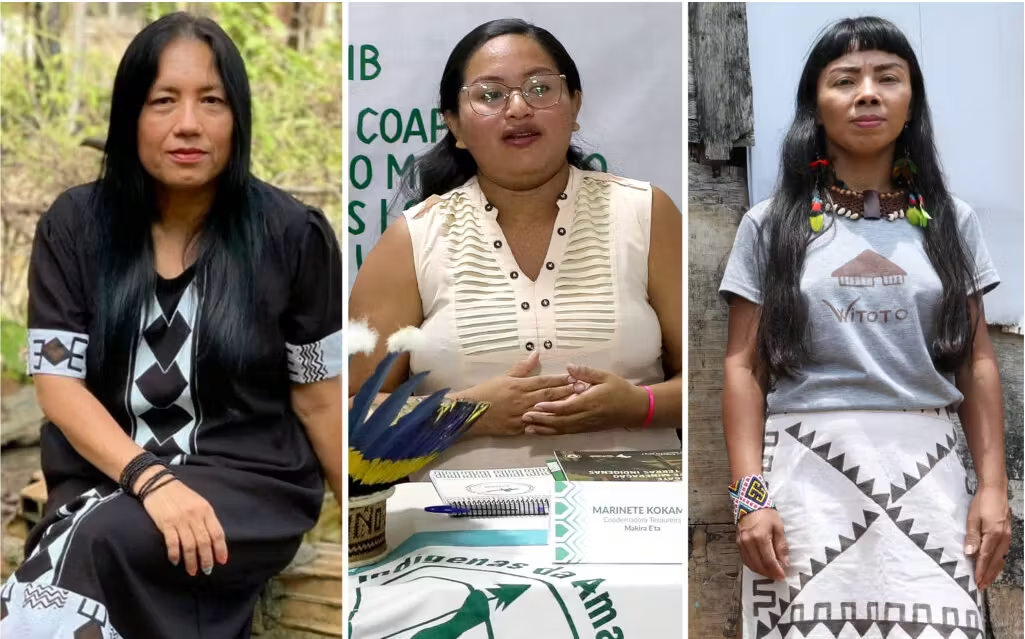
Known as the Babassu Coconut Breakers, this grassroots movement is made up of over 2,000 women who harvest nuts from native palm trees. Their way of life is under siege as logging and agriculture companies carve deeper into the forest.
“Our trees are being fenced off, cut down, bought up,” said one of the leaders of the movement. “But we’re not giving up. This is about food. About rights. About survival.”
The Amazon, a crucial carbon sink, is edging dangerously close to a tipping point, scientists warn. For the women here, that environmental collapse could also mean economic ruin.
But in protecting the forest, the Coconut Breakers are also rewriting the story of who gets to make decisions about land, livelihood, and the climate.
Trafficking Threat Grows After Storms – Philippines
When Typhoon Haiyan struck the Philippines in 2013, it took more than 6,000 lives and left millions homeless. It also left girls and women exposed to a silent epidemic: human trafficking.

“Displacement makes people desperate,” said a worker from the PREDA Foundation, a local group that rescues women from sex traffickers. “And traffickers know exactly where to look.”
Crowded shelters and unfamiliar cities create the perfect storm for exploitation. A 2022 UN report confirmed what aid workers had long feared natural disasters are fuelling a surge in trafficking.
With the number of extreme typhoons expected to double by 2050, the danger is growing.
The PREDA Foundation now runs safe houses and recovery centres across the Philippines. But prevention, they say, is just as important. That means long-term support, better disaster planning, and a safety net for women when the storm clears.
Pregnant in a Heatwave – Pakistan
Jacobabad in southern Pakistan is one of the hottest places on Earth. In the summer of 2022, temperatures soared past 50°C (122°F). For pregnant women, it was a nightmare.

“I couldn’t breathe. I felt faint every day,” said one woman interviewed in a White Ribbon Alliance report. “But we had no fans. No cool air. We just had to bear it.”
A major analysis published by the British Medical Journal in 2020 found a 5% rise in stillbirths and premature births for every 1°C rise in temperature.
Women in Sindh Province spoke of dehydration, exhaustion, and fears for their newborns’ health. Some called for solar panels to power fans or refrigerators to store food and medicine.
Heatwaves are becoming more frequent and intense across South Asia. But maternal health services remain dangerously underprepared.
Left Behind by Migration – Guatemala
Guatemala’s farmers have long relied on predictable rain. Not anymore.
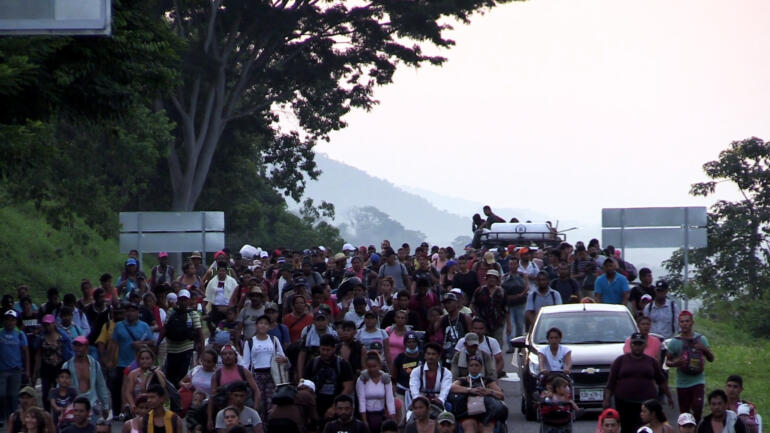
The rainy season is now erratic and violent. Crops fail. Men migrate. And women are left to pick up the pieces.
“Climate change didn’t invent migration,” said a local development worker. “But it’s pushing more people to the edge.”
Many women, especially in the Western Highlands, are left caring for children, homes and fields often with no income. In these communities, where gender inequality runs deep, the added burden is immense.
Some non-profits, like the Foundation for Ecodevelopment and Conservation, are working to change that. They’re investing in girls’ education and training women in sustainable farming.
But without stronger action on the climate, migration and hardship will only rise.
Child Brides in the Storm Path – Bangladesh
In Satkhira, southwest Bangladesh, 14-year-old Marufa Khatun cradles her newborn. She was married at 11.
“After the flood, our house was gone,” she said quietly. “My father said he couldn’t afford us all anymore.”
Bangladesh ranks among the world’s most vulnerable countries to climate change and one of the worst for child marriage. Save the Children calls it an “emergency hotspot” for girls’ rights.
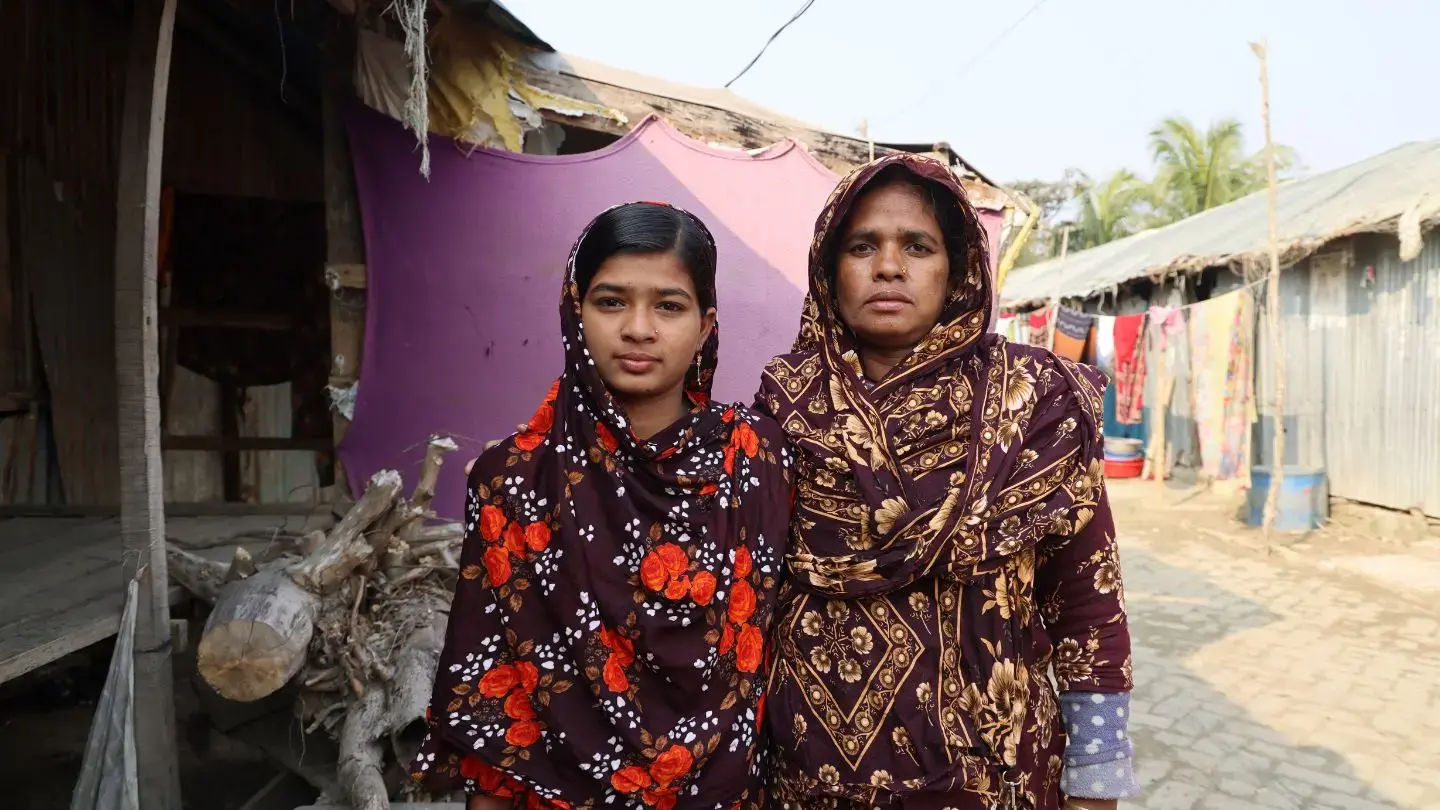
Floods, cyclones and rising seas force families into poverty. In desperation, many turn to early marriage to reduce financial stress.
Globally, 12 million girls are married before 18 each year. And climate change is making those numbers worse.
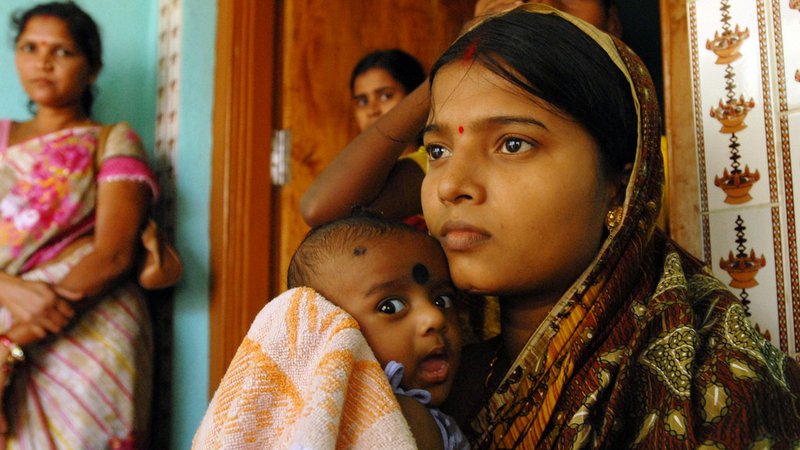
Despite global pledges to end child marriage by 2030, new data shows nearly 9 million girls face both early marriage and high climate risk every year.
Violence Rises as Climate Swings Widen – Kenya
In Kenya, the extremes have become unbearable. Years of drought gave way to deadly floods in 2023. The result? Displacement, hunger and rising violence against women.
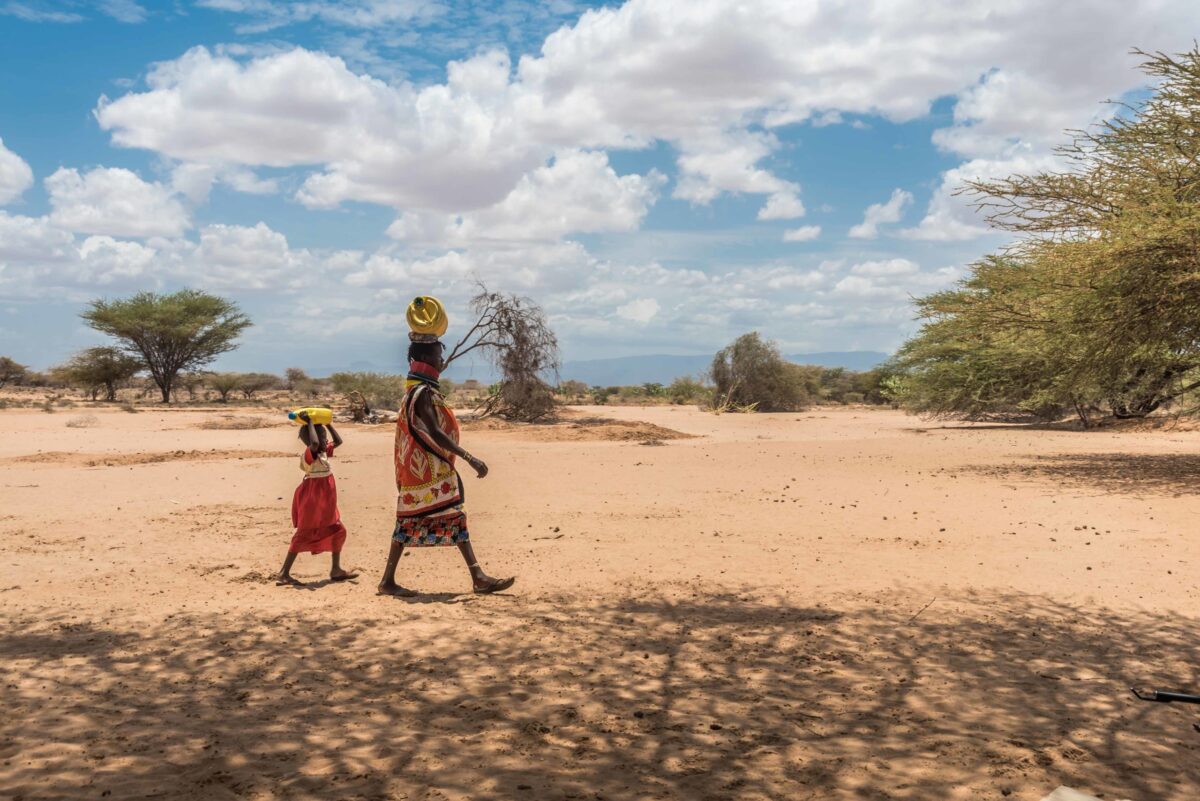
“Climate stress is driving gender-based violence,” said a spokesperson for the Coalition on Violence Against Women. “We see more cases after disasters more desperation, more danger.”
Many women must walk further for water or food, often alone and in isolated areas. Others are forced into exploitative relationships just to survive.
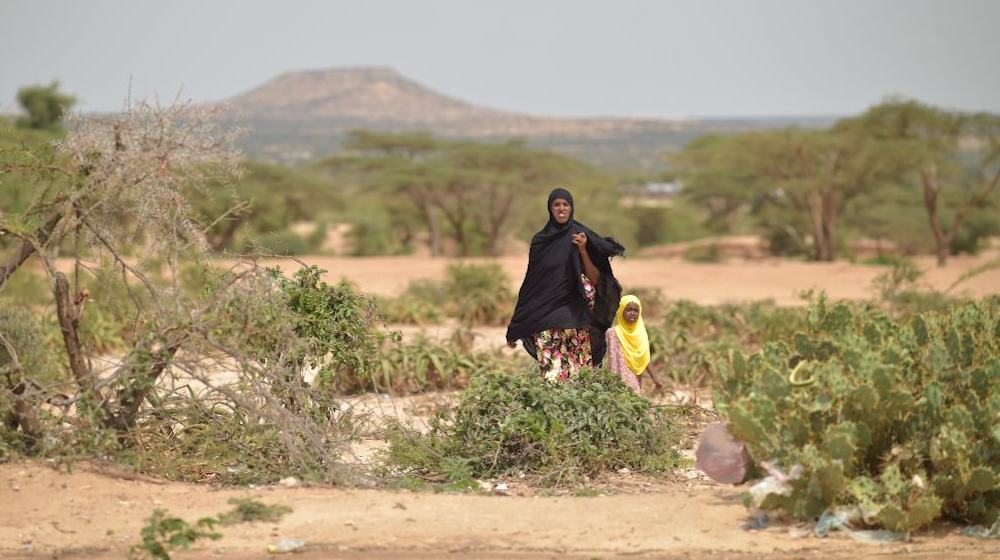
A UN report estimates that one in three women will experience violence in their lifetime. In climate-stricken areas, the risk is even higher.
Grassroots groups in Kenya are stepping in with counselling, legal aid and safe spaces. But advocates say climate adaptation plans must include protection for women or the cycle will continue.
A Crisis Widening the Divide
The climate crisis does not discriminate in how it hits the planet. But when it comes to people, it does.
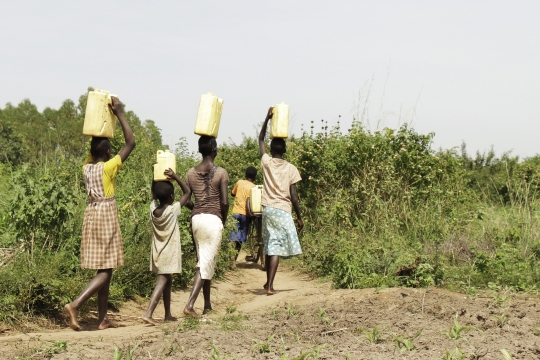
Women and girls especially in the poorest regions are being pushed further into danger, pulled from schools, trapped in marriages, and exposed to violence.
And yet, they are also leading efforts to adapt, to resist, and to survive.
In forests, classrooms and clinics, they are demanding better not just for themselves, but for future generations.
“The climate crisis finds the cracks in our societies,” said Hart of the United Nations. “If we don’t act with justice in mind, those cracks will widen into chasms.”
About the Author